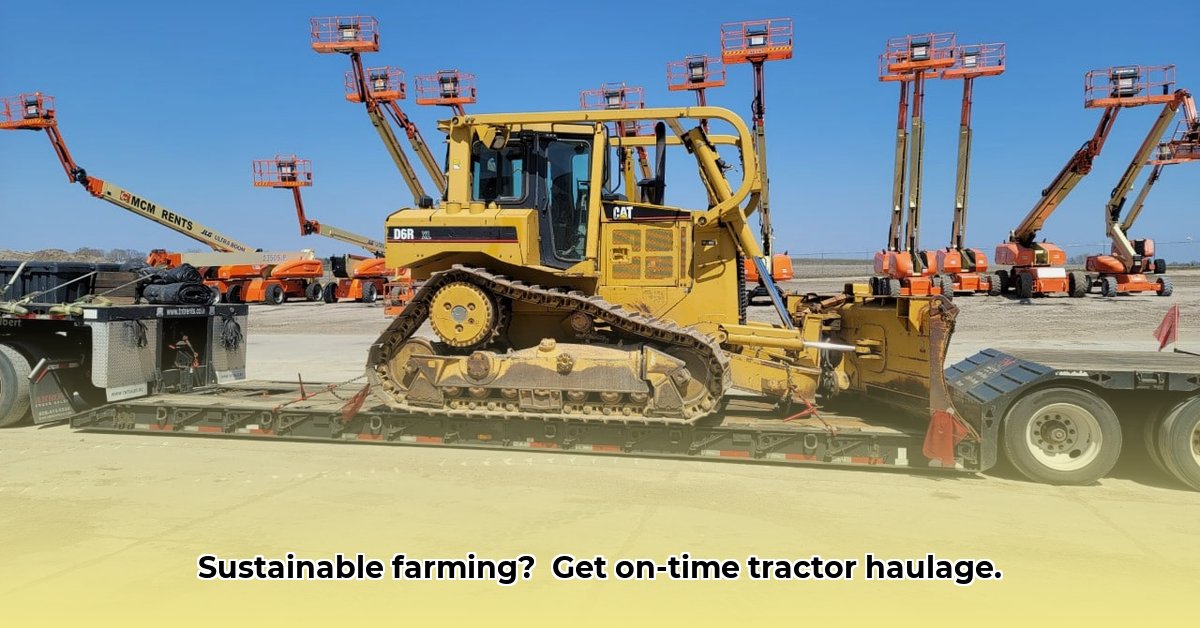
Tractor Haulage: Navigating the Challenges of Moving Farm Equipment
Moving large farm equipment presents unique logistical hurdles. The sheer size and weight of tractors, combines, and other machinery require specialized handling. Securing the necessary permits for oversized loads can be complex and time-consuming, varying significantly by jurisdiction. Comprehensive insurance is essential to protect against potential damages or accidents during transport. Careful route planning is critical, demanding an understanding of weight restrictions, bridge clearances, and other infrastructure limitations. Ignoring these considerations can lead to significant delays, costly repairs, or even legal repercussions. The complexity demands a specialized approach. Learn more about tractor-trailer connections.
Optimizing Tractor Haulage: Best Practices for Efficiency and Safety
Efficient and safe tractor haulage relies on meticulous planning and communication. Real-time GPS tracking affords visibility into the transport process, enabling proactive adjustments to address potential delays or unforeseen circumstances. Open communication between the farmer, the haulage company, and the driver is vital to ensure smooth coordination. A reputable haulage provider will offer regular updates, maintain clear communication channels, and possess the necessary expertise and resources to resolve challenges swiftly and effectively. This proactive approach minimizes disruptions and keeps your farm operation on schedule.
Sustainable Tractor Haulage: Minimizing Environmental Impact
The environmental impact of tractor haulage is a growing concern within sustainable agriculture. However, significant strides can be made toward greener practices. The adoption of alternative fuels, such as biodiesel or renewable diesel, substantially reduces reliance on fossil fuels and decreases carbon emissions. Implementing sophisticated route optimization software ensures the most fuel-efficient paths, minimizing unnecessary mileage and reducing the overall carbon footprint of transportation. Investing in fuel-efficient equipment and promoting driver training focused on fuel-efficient driving techniques are also effective strategies. These steps combine to create a much more sustainable farming operation.
Data-Driven Sustainability: Real-World Examples
- Did you know that optimized routes can reduce fuel consumption by up to 15%? This translates to significant cost savings and reduced environmental impact.
- A recent study showed that using biodiesel can reduce greenhouse gas emissions by up to 80% compared to traditional diesel fuel.
- Investing in fuel-efficient equipment can yield a return on investment within just a few years, thanks to reduced fuel costs.
Regulatory Compliance: Ensuring Legal and Safe Transport
Strict adherence to all relevant transportation regulations is crucial for both safety and legal compliance. These regulations vary across jurisdictions, encompassing aspects such as weight limits, load securing, and driver licensing. Failure to comply can lead to significant fines, delays, and safety risks. A responsible haulage company thoroughly understands and adheres to all applicable regulations, reducing liability for farmers and ensuring smooth transportation processes. This compliance should be a key factor for farmers when evaluating potential haulage partners.
Choosing the Right Tractor Haulage Provider: A Strategic Approach
Selecting a trustworthy and responsible tractor haulage provider is a crucial decision impacting the smooth functioning of your farm. Consider these key factors:
- Experience and Expertise: Look for a company with a proven track record in transporting specialized agricultural equipment. Inquire about their experience with machinery comparable to yours.
- Safety Record: A strong safety record, demonstrated by low accident rates and proactive safety measures, should be a top priority.
- Insurance Coverage: Verify that the provider holds comprehensive insurance coverage, protecting your investment against damage or loss during transport.
- Sustainability Initiatives: Prioritize companies actively engaged in sustainability initiatives, such as adopting alternative fuels or implementing route optimization technologies.
- Customer Reviews and Testimonials: Research online reviews and testimonials from other farmers to gain insight into their experiences with the provider’s services. This perspective is invaluable.
Conclusion: Building a Sustainable Future for Agriculture
Efficient, safe, and environmentally responsible tractor haulage is no longer a luxury but a necessity for sustainable agricultural practices. By understanding the challenges, implementing best practices, and choosing the right haulage partner, farmers can ensure their valuable equipment is transported safely, on time, and with minimal environmental impact. This strategic approach fosters the long-term success and sustainability of agricultural operations. The future of farming depends on it.